London, 1996. The year before I had finished University in Hull and headed back to the capital along with two great mates I had made as a student. I only stayed back at my parents’ home for about a week before we all moved together into a house in Tooting.
What strikes me now is the speed and simplicity of this move. We phoned up a letting agency, they showed us the house, we decided to sign. No rent guarantees, references or online verification – and no requests to the ‘Bank of Mum & Dad’. We just paid a month’s deposit and the keys were ours.
A golden time
Despite being 3 stops further down the Northern Line than we had hoped (Clapham was too pricey for us), the Tooting terraced house was perfect. With three double bedrooms, a big kitchen and large lounge-dining room, it was great for both parties and indoor cricket, and we made full use of its potential.
In retrospect, it feels like a golden time. Political change was in the air as Tony Blair’s New Labour was capturing people’s imagination and bands like Suede, Oasis and Blur were the soundtrack to long bank holiday weekends of beers and footie on Clapham Common. Cool Britannia felt like a thing.
A home European football championship was perfectly timed and it was epic watching Gazza’s Scotland goal, the 4-1 demolition of Holland and the win on penalties against Spain, with everyone singing along to Baddiel and Skinner’s Three Lions. Euro ’96 may have ended in heroic failure but it felt like football did come home.
Drama
None of my mates was earning much but we had enough. I had got a job supporting homeless people in a new and chaotic hostel for 140 people in Hackney. Every shift was full of drama and it taught me a lot about the difficulties of helping people when they are stuck in an institution that makes their lives worse.
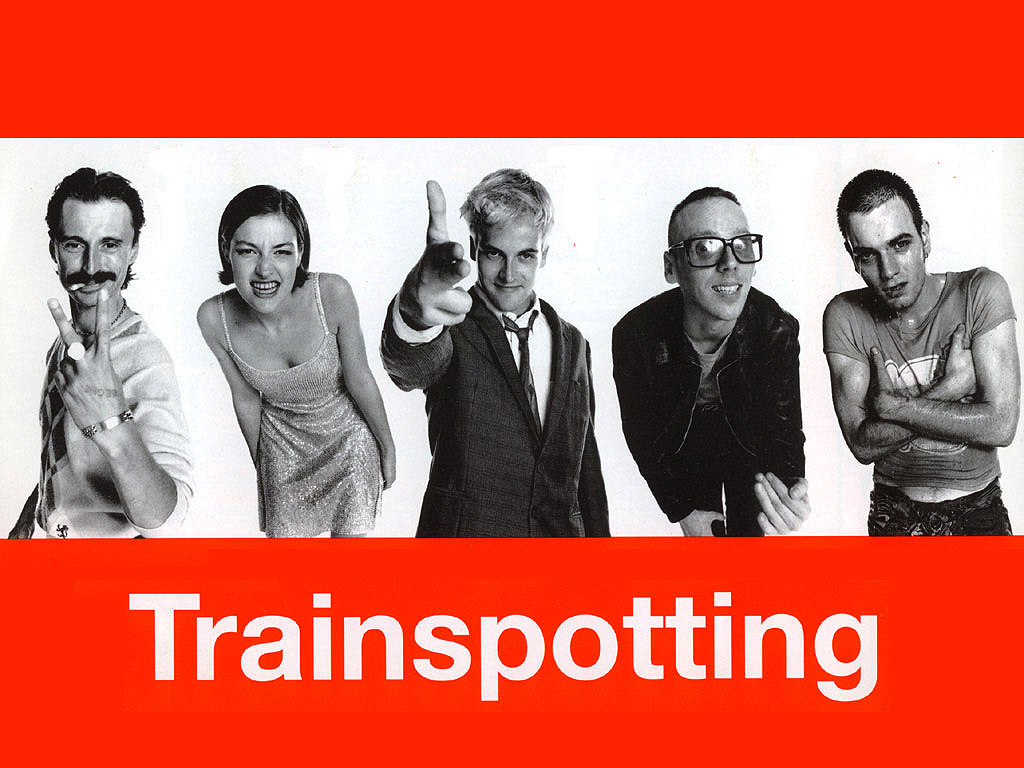
Danny Boyle’s groundbreaking film Trainspotting, about a group of Edinburgh heroin addicts, was also released that year. Everything about the film became iconic: the breakthrough cast, the promotion, the soundtrack which blended the retro of Lou Reed and Iggy Pop with the contemporary Britpop of Pulp and Sleeper and the ‘Choose Life’ opening monologue* (see comments).
Overdose
But the film had extra resonance for me because I was working with so many real-life heroin addicts. On a shift just a few days before seeing the film, I found one of my key-residents dead in their room following an overdose. She had only just choked on her own vomit and my efforts to resuscitate her were just too late.
It was tragic and just as grim as some of the scenes portrayed in Trainspotting – but it was for real. What made it worse was my colleague, when she saw what had happened, just left me to deal with the situation alone. I will never forget her walking away saying ‘Sorry, I’m not paid enough to deal with this shit.’
Turning points
1996 also signalled two important turning points in my life. I had volunteered for many years on a children’s holiday club in Islington and that summer, the church which hosted the club asked me if I would consider moving onto the Marquess estate to live in a flat above their new church community centre. It meant leaving our Tooting house but it turned out to be one of the most significant decisions I ever took. I learnt more about putting my faith into action than anything else I had experienced.
I also took my first step into management as my employers wanted someone to set up a winter night shelter in the famously posh town of Tunbridge Wells in Kent. I was keen to leave the Hackney hostel and it turned out to be a memorable winter as I had to deal with huge local controversy to open the shelter on one of the town’s most exclusive roads. (See this trilogy of blog posts about the experience).
30 years on
1996 was a great year in many ways. And one thing that prompted me to reflect on that year is that I became a dad when I was 30 which means my oldest son is now the same age I was during that summer.
He is also spent the last year negotiating post-university life and it got me thinking – is life better now than it was back then?
Its probably impossible to say, but one issue that is definitely worse is the unaffordability of housing. The Tooting house me and my mates lived in was worth £80,000 back then; it now costs ten times that amount. This crazy inflation has destroyed community, pressurised families and created an understandable generational bitterness because it has made life so difficult for younger people whilst lining the pockets of older people.
Houses have increasingly become the idols that society worships. And, as the Bible tells us, idolatry always leads to injustice. The sheer unaffordability of housing has made the homelessness crisis far worse than it was then. Back in 1996, working in homelessness was quite a niche job but the ‘homeless sector’ was ballooned since with countless charities trying to fill the gap caused by housing injustice.
In 1996 football came home. In 2026 far too many people need a home.
Discover more from Grace + Truth
Subscribe to get the latest posts sent to your email.


I agree. My wife and I had a similiar housing experience 10 years earlier. Housing should be a basic human right yet the combination of societal change – demise of family life, marriage, mass migration, longer life expectancy, cost of house building due to land prices, planning restrictions, private building market that ALWAYS favours higher and higher prices and real housing market competition from the state. It seems like an u solveable problem.
LikeLike
An abridged version of the ‘Choose Life’ opening monologue by Mark Renton (Ewan McGregor):
“Choose life. Choose a job. Choose a career. Choose a family. Choose a big television. Choose washing machines, cars, compact disc players, and electrical tin openers. Choose good health, low cholesterol, and dental insurance. Choose fixed-interest mortgage repayments. Choose a starter home. Choose your friends. Choose leisurewear and matching luggage. Choose a three-piece suite on hire purchase in a range of fabrics. Choose DIY and wondering who the f**k you are on a Sunday morning. Choose sitting on that couch watching mind-numbing spirit-crushing game shows, stuffing junk food into your mouth. Choose rotting away at the end of it all, pissing your last in a miserable home, nothing more than an embarrassment to the selfish brats you have spawned to replace yourselves. Choose your future. Choose life…
But why would I want to do a thing like that? I chose not to choose life. I chose something else. And the reasons? There are no reasons. Who needs reasons when you’ve got heroin?“
LikeLike