
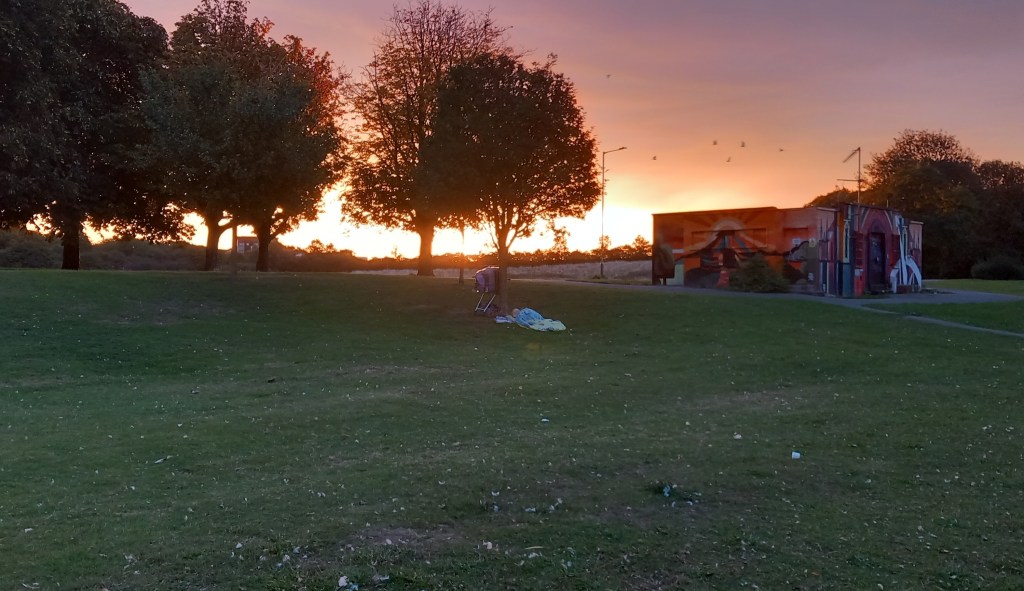
Today is World Homeless Day and this week it was announced that 1611 people died homeless in the last year in the UK.
It is a tragic statistic which exposes the raw human cost of homelessness. A reality that shames our society.
Crisis
Behind every statistic is a story of a son, daughter, brother, sister, father, mother who has fallen into a world where they have nowhere to call home. And the consequences have been deadly.
Make no mistake, we are seeing a crisis of homelessness in our communities. Rough sleeping, the tip of the homeless iceberg, rose by more than 20% last year and there are more homeless people in council temporary accommodation than ever before. The human cost is horrific and the financial cost is eye-watering. In London alone, paying for temporary accommodation costs the public over £5m every single day. The cost is driving some local authorities into bankruptcy.
Beyond sympathy
On World Homeless Day, it is important that we go beyond just feeling sad or sympathetic towards those affected and deepen our understanding about the factors which lead to homelessness.
Home-lessness is more than house-lessness. It is caused by a cluster of types of poverties which come together:

Firstly, its matter of resources: there simply is not enough affordable housing. As a society we have made an idol out of home ownership and allowed people to stockpile wealth by accumulating houses which they then lever to increase their wealth. Too many luxury developments are built rather than the affordable housing we need. Housing injustice is the number one social problem of our time.
Secondly, it’s a matter of relationships. Every homelessness story includes broken relationships: people have nowhere to go because they have no one to go to. Sometimes this is due to domestic violence, abuse or due to arguments and drifting apart. Relationships are core to what it means to be human and isolation and loneliness are just as deadly as cold temperatures.
Thirdly, it’s a matter of identity. Its not just people’s relationships with others but their relationship with themselves which is often fragile. Low self-esteem, mental health problems and the addictions which are so connected, all undermine someone’s very sense of self. There can be an inner homelessness which is far harder to change than external needs.
Community
This is why addressing homelessness is more complicated than just providing the resource of accommodation. Houses are vital but homes are more than that: they are places of relationship and identity.
And this is why Hope into Action’s model is effective. We do provide the resource of quality housing, but we also provide the connection to relationships through our friendship and support teams in the local church. And this combination enables people to find a new identity – not simply as someone receiving help but as someone empowered to contribute and use their skills through work, volunteering and being a part of the church community.
This a summary of the impact of our Network last year:
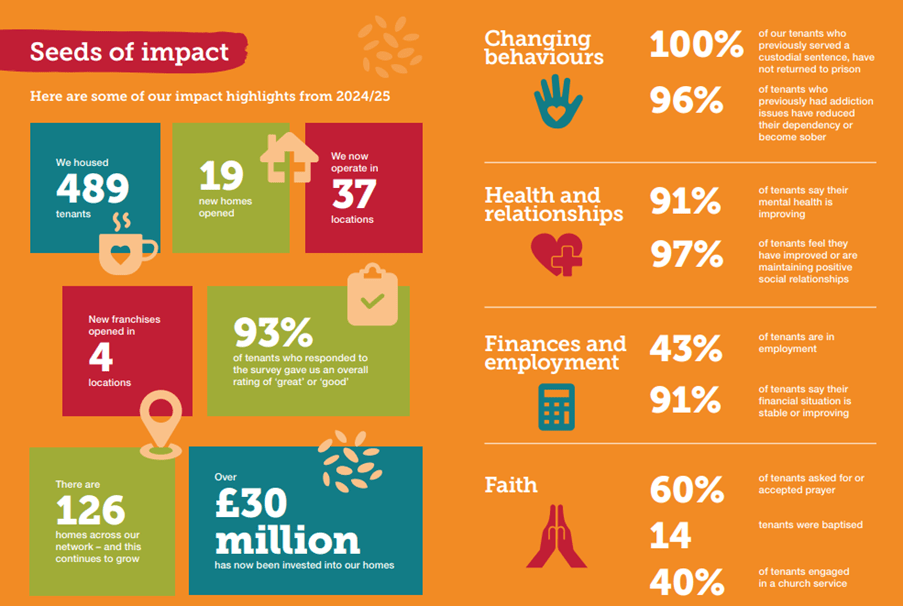
This is the route out of homelessness that we help people find: not just accommodation but a home where they can find purpose and meaning.
Homelessness does not end in a flat, it ends in community.
Putting hope into action
And it was encouraging to see our approach being profiled recently in the prestigious US publication, the Stanford Social Innovation Review. In his article Community Beyond Resources, Dr Simon Dwight wrote:
“People experiencing homelessness need someone to stand beside them—with honesty, belief, and consistent presence. At Hope into Action, for example, a UK charity that partners with churches to provide housing and relational support, volunteers are trained not to fix people, but to walk with them: to offer friendship, challenge, presence, and hope.”
The tragic cost of the homelessness crisis should shock us. It is not a time for optimism, but it is a time to put our Christian hope into action.
Watch Susie’s story of escaping homelessness:
Discover more from Grace + Truth
Subscribe to get the latest posts sent to your email.

