

This week a jury convicted Russell Brand of rape and sexual assault. Women’s lives have been terribly harmed, and a court of law has now found it so. Any Christian response must start with them.
But this is more than just another celebrity whose crimes have been exposed. Brand publicly professed Christian faith and ostentatiously paraded this faith through the media. Some within the church were quick to want to be associated with a celebrity so willing to talk openly about following Jesus.
These are three thoughts – all based on learning I have shared before on Grace + Truth:
1. Celebrity is a virus
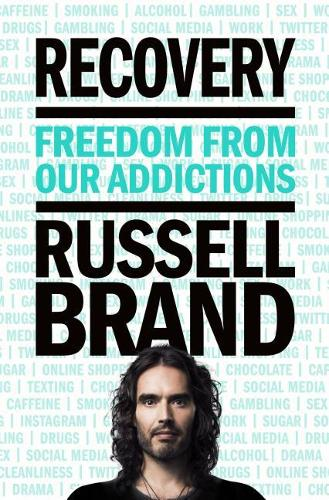
Alcoholics Anonymous (AA) has always wisely refused to have celebrity endorsers. It knows that anchoring the life-saving concept of recovery to an individual is dangerous because of our human frailty. Fame increases these vulnerabilities.
Russell Brand’s book Recovery: Freedom from our Addictions ignores all this.
As ever, the Church could learn a lot from the wisdom and practice of AA. Often the Church loves association with someone famous, as if God’s cause needs the stardust of celebrity. Time and again, we prize charisma over character and build ministries on someone’s ability to inspire and entertain.
Too often, our eyes light up at the lure of fame, rather than appreciating its dangers. We need to take more seriously ‘the cravings of sinful people, the lust of his eyes, and the boasting of what he has and does’ (1 John 2:16).
2. Grace must contain truth
In his book, The Cost of Discipleship, Dietrich Bonhoeffer wrote :
“Cheap grace is grace without discipleship, grace without the cross, grace without Jesus Christ, living and incarnate…Cheap grace is the deadly enemy of our Church. We are fighting today for costly grace.”
Cheap grace demands nothing and easily becomes the enemy of righteousness. As we have seen in so many safeguarding scandals, it fails the people who are harmed by side-lining what they have experienced, and also fails the one who is ‘forgiven’ because it asks so little of them.
Nobody is beyond God’s mercy. But true mercy never means minimising what was done, ignoring victims, or shielding the guilty from consequences. And it certainly never means treating those who bring harm to light as the problem.
In contrast, authentic grace provides resources for transformation.
Consider Zacchaeus, who like Brand, was wealthy, powerful and controversial. His encounter with Jesus was not just a spiritual or intellectual change, but it led him to give away half of what he owned and repay those he had cheated four times over. The truth of his salvation was seen and felt by his community. Grace was not earned by his repayment, but it was tangible evidence of its authenticity.
Truth is never the enemy of grace. In fact, it is the key ingredient that keeps grace from being cheapened. A tree is known by its fruit, and faith without deeds is dead.
3. Go deep not shallow
Richard Foster wrote that “superficiality is the curse of our age”. This is a real danger for the church too. Christian culture is corrupted when it becomes about platforms, profile and power. Real transformation is slow and tends to happen away from the cameras.
Andy Flannagan sang that our culture is “drowning in the shallow.” Individually and collectively, the church needs to push out from the shallows and venture into deeper waters.
The sign of God’s redemptive action in history is not a magic wand which erases sin, but a cross on which His son suffered and died. Like someone dredging out all the crap and gunk from a blocked drain, God acted to cleanse our scarred and fractured world and our broken lives. He took the worst the world could do, got to the root of it.
And Jesus tells his followers to pick up their crosses if they are to follow him.
Personally, I have found praying regularly for those I harbour resentment towards, or who I know hold grudges against me to be profoundly important. This has altered my actions and led me to apologise to numerous people.
How can we avoid settling for a shallow form of grace that skims the surface and does not address the roots of bitterness we carry?
Where this leaves us
First, let’s pray for those harmed, and make sure our churches are places where the vulnerable and hurt are believed and cared for. Let us support the vital work of charities like Restored who work against violence against women.
Secondly, let us examine where we’ve valued the shallow over the deep, the famous over the faithful and charisma over character. Let’s not build our church on the sinking sand of cheap grace.
Thirdly, let’s make our church gatherings more meaningful by upholding moral truth, as well as proclaiming theological truth. Let’s move beyond small talk, deal in reality and address what really matters. Let us pray for those we dislike, and before we take communion make peace with those we resent.
May the grace of God comfort those harmed by the crimes of others. And may this grace lead us to live in truth.
Check out the work of Restored, a Christian charity whose mission is to speak up about the realities of violence against women and girls, equip the Church to stand against domestic abuse and support survivors.
Discover more from Grace + Truth
Subscribe to get the latest posts sent to your email.

