January 1986. I was thirteen years old and had decided to ask a girl out for the first time on a proper date. I had met her at a youth group I went to on Friday nights. Its important to appreciate what a nerve-wracking experience it was to ask someone out in the pre-mobile phone era.
First, you had to get hold of their home phone number. Then you had to find a time to call when your own family were not listening in. Then you had to negotiate her parents when they answered the phone. And all that was before you even spoke to the girl herself.
I stumbled nervously through a rehearsed speech and was a bit shocked when she said ‘yes’. We made a plan for the next Saturday to see Teen Wolf, starring Michael J Fox, fresh from his success in Back to the Future.
But then I hit a problem.
Greater scrutiny
It was too embarrassing to tell my parents I was going on a date, so I was quite vague about my plans. But when I mentioned ‘going to the cinema’, I was suddenly subjected to greater scrutiny than normal.
It turned out this was because my Mum had just read an article in a Christian women’s magazine all about video nasties, occult influence on Hollywood and the vital importance of knowing what your children were being exposed to.
‘A film about a were-wolf? I don’t like the sound of that. Its sounds dark.’
‘Don’t worry Mum, it’s comedy, not horror. It’s a PG!’
‘No, I am not happy. You’re not going.’
I panicked. This could not be happening.
‘No seriously Mum, you don’t understand, I need to go.’
‘Don’t be silly, you and your friends can find something else to do.’
This was a nightmare. Ironically, my Mum’s ban really did put me in a horror situation.
And if the first phone call to set the date was nerve-wracking, the second call to cancel it was down-right embarrassing.
Satanic influence
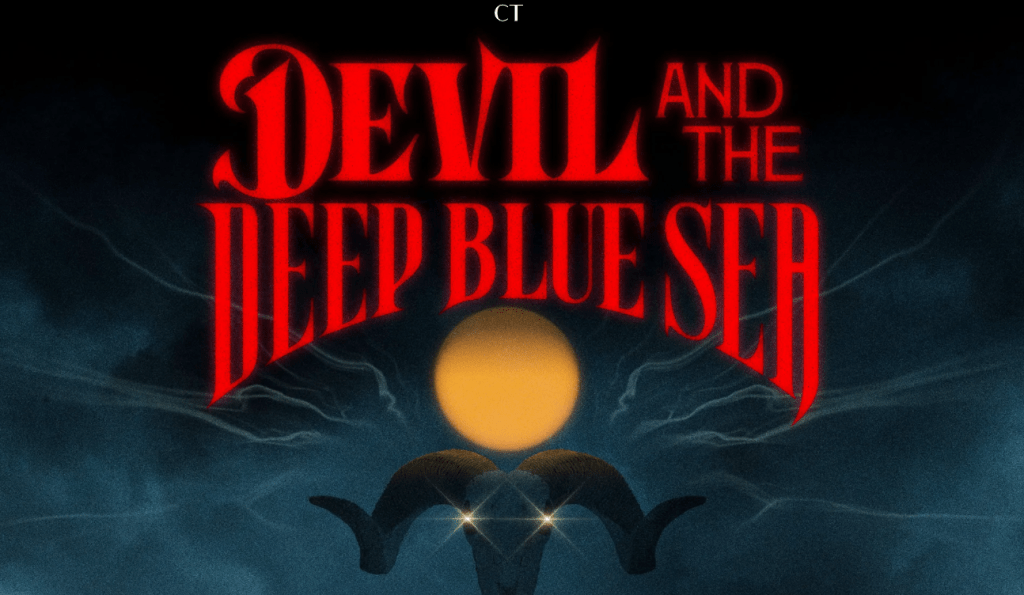
These teenage tribulations came to mind as I listened to a brilliant podcast series, Devil and the Deep Blue Sea by Mike Cosper of Christianity Today. It is the same team who produced the compelling The Rise and Fall of Mars Hill.
The podcast focuses on the rise in concern about Satanic and other evil influences on young people from the 1960s to the 1990s. At one level, there were concerns about films and popular culture, but there were far more serious elements too.
Ritualised abuse
In this period there were over 12,000 cases reported to law enforcement about accusations of ritualised Satanic abuse. It became known as ‘the Satanic panic’.
Many of these led to court cases and imprisonments. Legal action against the McMartin Pre-School in California led to the most expensive court case in US history but concluded 6 years later with no one convicted. Over 100 other pre-school centres were also investigated.
In 1995, these cases were audited and the FBI could not find a single link to actual Satanic or cultish activity.
Complex factors
It’s a fascinating series because Cosper never settles for simplistic answers or cheap shots. Instead, he explores the complex web of cultural, theological and political factors which led to the panic.
There were concerns about LSD and other hallucinogenic drugs. There was anxiety about subliminal messages hidden in pop music when played backwards. There was a glut of films with satanic themes: Rosemary’s Baby (1968), The Exorcist (1973) and The Omen (1976). There was the incomprehension about how ‘normal’ young women were drawn into the ‘Manson Family’s appallingly sadistic murders.
There was the emergence of a controversial new form of psychotherapy which sought to help victims ‘recover the memory’ of abuse they had suffered but suppressed. And there was a series of best-selling books, purportedly written by young people, about how they were drawn into a world of Satanic worship and ritualised abuse.
Exploitation
The podcast shows how legitimate concerns and parental anxiety were exploited both by leaders with other agendas and also by fraudsters who blatantly invented stories to sell products and further their ministries.
There was the incredible case of the comedian Mike Warnke , author of bestselling memoir The Satan Seller, in which he claimed to have led a group of 1,500 Satanists that engaged in rape and human sacrifice before he converted to Christianity. He achieved fame as an authority on Satanic activity but his story was later discredited as largely made-up and he admitted hugely embellishing his stories.
Contemporary relevance
This podcast is fascinating social history – but its value lies in its contemporary relevance. It is fundamentally about truthfulness and how vulnerable the church and wider culture is to being sold a lie. The lessons from the Satanic panic are very relevant for an age when so many are influenced by conspiracy theories such as QAnon.
Evil does exist – but it rarely turns up wearing masks and using outlandish rituals. As church scandals show, it is much more likely to manifest itself in deceitfulness, greed and coercion.
And abuse does happen – but it hardly ever operates from a secret coven in an underground dungeon. It is more likely to be perpetuated by someone respectable that you know and trust.
Truth matters. Evidence needs to be produced. And conspiracy theories need to be tested. Devil and the Deep Blue Sea reminds us that fantastical stories are often propagated most by those who want to conceal the real evils playing out right in front of us.
Listen to Devil and the Deep Blue Sea
Discover more from Grace + Truth
Subscribe to get the latest posts sent to your email.


Remind me who the girl was?
LikeLike
I don’t feel I can share that publicly! But we are friends on FB so I will ask. And we never did get to go on that date…
LikeLike
I don’t remember this at all. I’m glad my authority counted for something but sorry that I caused you such embarrassment! Mum.
LikeLiked by 2 people
Don’t apologise – you were (and are) a GREAT mum and your concern for my welfare is a credit to you. I just thought it was a good example of how these concerns played out. Lots of love xx
LikeLike