
A review of Safeguarding the Institution: how the culture of the Church of England facilitates abuse by Stephen Kuhrt (2025)
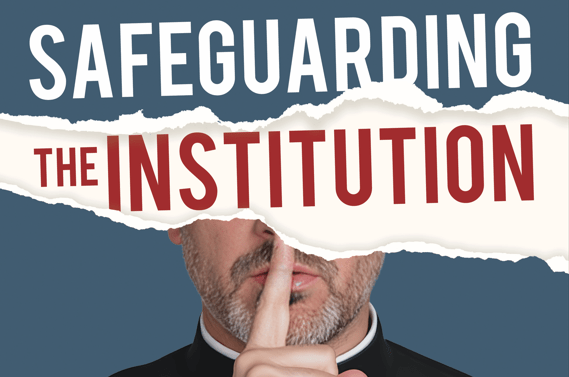
Leadership guru Peter Drucker famously said:
“Culture eats strategy for breakfast”
What Drucker meant was that whatever values an organisation articulates, or whatever plans, policies or aspirations it has, will always be trumped by its culture, by ‘how things are done around here’.
Organisational cultures are powerful and often intransigent and do not change easily. This is why ‘leadership’ is such big business. Changing organisational cultures requires clarity, conviction and courage.
Institutionally dishonest
The core argument of this new book, by my brother Stephen Kuhrt, is that the safeguarding failures in the Church of England are fundamentally due to its culture.
The book analyses how dissembling, passive aggression and denial is woven into the very fabric of the C of E. Those enmeshed in this culture find it hard to recognise because they are ‘like fish who do not know they are wet’.
Abuse in this context is not due to a ‘few bad apples’ and the failure to manage safeguarding well is not ‘inexplicable’: it is a direct consequence of a culture of institutionalised dishonesty.
Personal experience
What makes this book unusual is that Stephen Kuhrt is no armchair observer or external critic: he is a serving vicar in Southwark Diocese. The book is a highly critical dissection of the culture of the church in which he serves, but it is not cynical. He celebrates the considerable amount of vibrant mission and ministry taking place at a parish level but argues that almost all of it goes on despite the institutional culture rather than because of it.
And the core narrative for this book is not rooted in theory or theological tribalism, but on his own personal experience of whistleblowing about safeguarding and then being suspended by his bishop as a result.
Conviction
Around the time he became vicar, Stephen became aware of serious historic allegations that teenage girls had been molested by an older man who was a respected figure within the church and regular preacher. He was determined that this matter should be addressed but his archdeacon was resistant and wanted him to let the whole matter drop.
However, he did pursue it and the perpetrator was eventually prosecuted and received a criminal conviction. Many of those affected said that he is the only person they encountered within the church who took the matter seriously.
Review
Stephen was very unhappy with how the matter was dealt with and the diocese’s refusal to engage with any lessons from it. When other safeguarding matters were also not addressed properly, he grew more outspoken.
Eventually his open dissatisfaction resulted in his area bishop commissioning a ‘review’ of his ministry. As part of this, Stephen shared his concerns about safeguarding in a detailed report. When this was ignored by the diocese, he sent it to the C of E’s National Safeguarding Team (NST). When the NST showed a similar refusal to engage with it, he shared it privately with a small group of advisers, which included Andrew Graystone, an author of the book Bleeding for Jesus whom he had known since childhood.
Suspension
When the diocese became aware that the report had been shared with others, it triggered a complaint from a diocesan officer. Despite it only being sent to a small group of people, Stephen had not redacted the names of people affected so it was technically a breach of confidentiality.
The complaint led to Stephen being suspended for five and a half months from his job as vicar. In the end, Stephen received an agreed penalty for failing to redact the names in his report and returned to work.
But the years since have seen consistent attempts by the diocese to bring about his constructive dismissal. When a new area bishop arrived, he too made a clumsy attempt to engineer Stephen’s resignation. These all failed, mainly due to the overwhelming support Stephen has had from his congregation.
Changed understanding
The genesis of this book was when Stephen watched the TV documentary about the late Bishop Peter Ball, esteemed C of E bishop and friend of Prince Charles, who was guilty of the most appalling abuse. It was then Stephen began to join the dots between his experiences and the factors involved in the high-profile cases of abusers such as Ball, John Smyth, Mike Pilavachi, Jonathan Fletcher and others.
Up to that point he had believed the C of E to be a sleepy but essentially benign institution. But now he realised how self-protective it was and how viciously it responds towards those who challenge the status quo and vested interests.
How truth is handled
I cannot pretend to be neutral in my assessment of the book because the author is my brother. But I firmly believe that this book is a remarkable and vital contribution to the debate about safeguarding in the C of E. Furthermore, its analysis is relevant to all churches and organisations about how truth is handled.
The second chapter It takes a village to abuse a child examines the collective way in which abuse is enabled and how communities can be groomed to perceive abusers as harmless and well-meaning. Church culture often colludes with this through the veneration of leaders, intense models of discipleship and the privileging of single-sex subcultures.
Historic pragmatism
Stephen goes on to trace the historic roots of the C of E’s cultural pragmatism to figures like Elizabeth I and the ‘supple conscience’ of Thomas Cranmer. He argues that the public-school background of many bishops has prioritised the maintenance of appearances and avoidance of conflict. Some see such pragmatism as the ‘genius of Anglicanism’ but it is a catastrophic weakness when it comes to issues like safeguarding.
And rather than the unhelpful dichotomy between ‘cock up’ or conspiracy, the book argues that a pervasive culture of wilful incompetence best describes the reluctance to address problems directly and complacent acceptance of a charming, bumbling ineffectiveness. The church’s ambiguous and secretive approach to same-sex relationships has also created a culture of unaccountability and lack of transparency and helped create an environment ripe for abuse.
Genuine prophecy
I found the chapter, Prophets and Whistleblowers the most powerful as Stephen explores the courage needed to ‘rock the boat’and deal with opposition, personal fear and the cost this brings. He writes about the truly biblical nature of prophecy:
“The message of false prophets was normally to assure of God’s blessing. The genuine prophets, however, were much less reassuring, usually delivering highly uncomfortable messages that neither the people nor their kings wanted to hear. They were essentially ‘whistleblowers’ about Israel’s sin.”
In the final chapter, Stephen proposes a comprehensive cultural overhaul, advocating for greater honesty and transparency at all levels, including reforms in clergy recruitment, training and a clear resolution of the Church’s stance on sexuality. Most radical is his proposal of a mass clear-out of current bishops and other senior figures within the establishment.
The truth revealed in Jesus
The fact that this book is not written by a disillusioned former church leader, but a current vicar who is energetic and passionate about the mission of his local church, is fundamental.
It may be polemical, but this is no rant: it is an extended analysis of organisational culture written by someone with skin in the game. The author believes in what the C of E can be – as the closing paragraph puts it:
“Nothing less than the most wholesale change is needed for the church to regain its credibility. The incompetence that dare not speak its name must be banished forever as the Church of England, in deep repentance, becomes committed to believing and acting on the basis of the liberating and transforming power of the truth revealed in Jesus Christ.”
- Safeguarding the Institution is published on 18th September 2025. Pre-order on Amazon – it will be available on other online stores after release.
- See the accompanying website: Safeguarding the Institution
Discover more from Grace + Truth
Subscribe to get the latest posts sent to your email.

 Grace + Truth
What a chilling title that is! Jon, this review, added to what I’ve read of your brother’s contributions here, makes a compelling case for me to read his book. I had already pre-ordered it, but now it’ll be prioritised on my book backlog. That Stephen continues to be active as a vicar, and “energetic and passionate about the mission of his local church” is little short of remarkable, and shows the power of the loving individual to rise above the oppression of the institution.
LikeLike
I finished this book a few weeks ago. Been meaning to write something more. I had high expectations, and it certainly did not disappoint—on the contrary, I was amazed at the elegance of writing, and Stephen’s truth and courage that sung throughout the book. What a remarkable man your brother is, to weather the storm as he did, somehow rise above it, and yet still continue to confront the system that conspired against him, and more—to continue to love the people within that system, and the potential of what it could become. There is so much to learn in this book, for Church of England members certainly, but much beyond that. I found valuable lessons here, and ideas to apply in the corporate business world. I shall be recommending this book to my change-agent and leadership coaching colleagues.
LikeLike
Thanks Tobias and Stephen will find that very encouraging.
Any chance you could cut and paste this into Amazon as a review: Safeguarding the Institution: How the culture of the Church of England facilitates abuse : Kuhrt, Stephen: Amazon.co.uk: Books
LikeLike