
Previous instalment: The sound of breaking glass: my Tunbridge Wells winter #2
The shelter’s first night had seen one of our residents arrested for assault, criminal damage and threatening behaviour. The next morning, I woke up early in my YMCA room and spent some time praying for courage for whatever the day would bring.
On my walk in, I saw a neighbour who had been one of the shelter’s fiercest opponents walking her dog. My heart sank.
She crossed the road towards me and said in clipped tones ‘So how did the first night go?’ Inside I was panicking as I had no idea what she knew, so I opted for ‘Well, a few challenges but generally OK’. And she said ‘Good. Let’s hope it stays that way’ and strode off.
It was my first indication that perhaps the events of the night had not been so obvious as I had feared.
Resignation
We got on with the tasks of the morning. The police came and took statements, we booked a glazer to mend the broken windows and we called round refuges to find a safe place for the woman who had been assaulted.
Any minute I expected our troublesome resident to return. I kept imagining how he would react to one of the neighbours insisting that shelter residents were not even supposed to walk down their street.
And things got worse. One of our new staff team phoned me to resign as he ‘did not feel the work was for him’. One night in, and we had already had an eviction and a staff resignation under our belts. For some reason though, we did not let it get us down.
A miracle
We received a call from the police to say that the arrested resident had so many outstanding charges that he was being sent back to prison ‘for at least 3 months.’ It was a massive relief.
And as the day unfolded, the phone calls I had feared from angry neighbours and irate councillors never came. It became clear that none of the neighbours had noticed any of the shenanigans of the night before. No one heard the smashing of wood and glass and no one saw the police cars arrive and take away a handcuffed man.
After all the hassle, the controversy and the anger we had faced, this felt like a complete miracle. It bolstered my belief in prayer. In my diary I wrote :
Tuesday 3rd December: I felt real fear going in this morning, I slept badly, and there seemed a real mountain to climb…but I am coming to think that things are rarely as bad as you think they are going to be. I prayed this morning and I have had with me a real spirit of optimism for the project.
Optimism
As it turned out, this optimism was well-founded. Of course, we had many ups and downs but after that first night, we had very few serious incidents. We only had to call the police once more in the entire remaining 3 months.
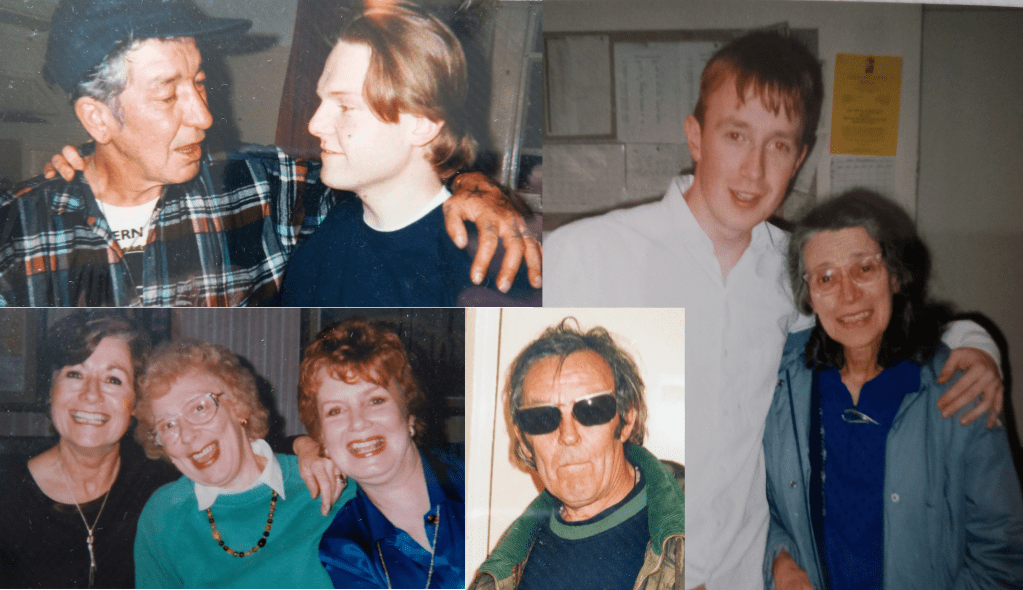
I wished I had kept up the diary so I could recall better the many other stories we became part of. But I remember one man who was the most entrenched rough sleeper I have ever met. He was as shabby and dirty as it was possible to be. He was also almost mute and only grunted in response to questions and he refused to ever sleep at the shelter.
But I did persuade him once to come in for a hot bath, a shave and new clothes. And due to the demographic of our donors, we had a very classy clothing store. He chose a quilted green body warmer, pleated trousers and a waxed, Barbour jacket. He came in literal rags but left looking like the Lord of the Manor. No mini-bus lift was needed to take him to the end of the road.
Positive outcomes
Alongside my diary, I found the outcome report we wrote. Overall the shelter housed 42 different people that winter and we secured move-on accommodation for the majority – some into rehab with the Kenward Trust, others into supported housing, some into private rented flats and some reconnected to family.
I learnt a lot about how rural homelessness is largely hidden; how it overlaps in complex ways with the traveler community, and the plight of those trapped in poorly-paid farm jobs with inadequate tied-accommodation.
The ‘ethnicity chart’ in my report is revealing: it only had 4 sections: English, Scottish, Welsh and Irish. We housed no Eastern Europeans or any refugees. How things changed in the 2000s when a new breed of church-based night shelters would emerge.
Reconciliation
One of the best elements was reconciliation with those who had been vehemently against the shelter. As the weeks progressed, fear eroded and trust grew. The woman who had put her house up for sale, took it off the market and ended up donating clothes and bringing in hot meals.
Many of the best evenings we had in the shelter were because we bridged the gulf between wealth and poverty. Instead of fear and judgement, people could recognise everyone’s common humanity. And this experience blessed everyone involved: residents, neighbours, volunteers and staff.
As winter became spring, the shelter closed. I returned to Hackney; a little older, a lot wiser and very grateful for what my winter in Tunbridge Wells had taught me.
If you have enjoyed this series of articles then you might be interested in coming to the Hope into Action conference on 7th March
Discover more from Grace + Truth
Subscribe to get the latest posts sent to your email.

 Grace + Truth
I wish I had thought of keeping a diary! #talesfromtheshelter some memorable stories though.
LikeLike
Thank you very much, Jon, for your Tunbridge Wells narrative across three posts. It has been both gripping, and inspiring to read.
LikeLike
Thank you very much, Jon, for your Tunbridge Wells narrative across three posts. It has been both gripping, and inspiring to read.
LikeLike
thanks for reading and for your encouragement Graham – much appreciated
LikeLike
Jon, this final part of your Tunbridge Wells trilogy is a feast for the soul. You bring theology to life in a deeply moving way. You bring great insight and wisdom to the fundamental challenges facing us: the world and it’s reconciliation with God. This magisterial triptych deserves repeated readings. 28/30
LikeLike
thanks Tim – wow – high praise and (most importantly) a great aggregate score. I hope more readers gave statistical feedback!
LikeLike