
A few years ago, I was on the top deck of London bus on my way to work and saw a school boy sitting across from me, furiously graffitiing the back of the seat in front of him. Without thinking too much, I instinctively said:
‘Don’t do that’
He glared back a look of venomous anger and spat back:
‘What’s it got to do with you?’
I replied:
‘This is my bus, I get it every day and you’re ruining it. That’s what it’s got to do with me’.
The boy kissed his teeth, shook his head, put the lid back on his marker pen and stomped off the bus.
I have often reflected on his question: What did his behaviour have to do with me?
Reluctance to get involved
How people behave in public spaces is fascinating. As I have written before, fear and apathy often win and many people are incredibly reluctant to get involved in the situations of others. Good people often do nothing.
In many public environments, the strength of what sociologists call ‘social capital’ – the shared, relational bond between people – is incredibly weak.
Increasingly, people withdraw into their own, atomised world. Most of us carry around our own personalised portal to a virtual environment where our friends, family and work issues never leave us. What goes on around us in our physical space can easily become secondary.
But when people don’t want to get involved with other humans, society suffers. Its a key factor in what makes public space unsafe.
Mobile music
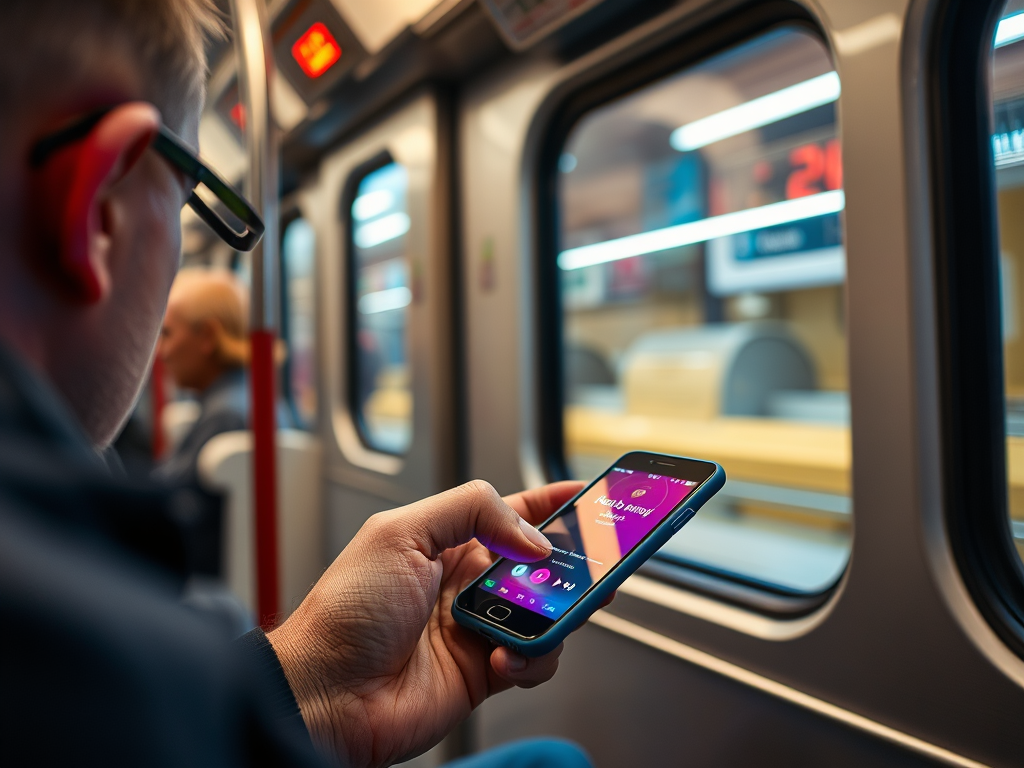
I travel around the country a lot on public transport and in the last few years, people playing music, watching videos, playing games or even talking using the speakers on their phones has become increasingly common.
I am pleased to see legislation being proposed by the opposition parties to ban this and fine people. Like smoking indoors or drink-driving, I think that legislation will be a necessary factor in making this behaviour unacceptable. I agree with the shadow transport secretary Gareth Bacon:
“Playing loud music on public transport may seem like a small thing, but it speaks towards a growing tolerance of anti-social behaviour that chips away at public civility.”
Speaking up
We need more public civility, not less. But legislation by itself will not solve this issue, we need to be prepared to be more directly involved.
And on average, about twice a week I ask people to turn down their phones or use headphones on my journeys. And in the vast majority of cases, people respond well. I believe that more of us need to be prepared to speak up.
Last week I was on the 250 bus on my home in south London and a woman sat next to me having a facetime conversation with a friend. Her volume was up so high that everyone on the deck of the bus could overhear their conversation. After about 20 seconds, I turned to her and said:
‘Excuse me, do you have any headphones?’
She looked shocked that I had interrupted her conversation and said
‘No…why, am I being loud?’
I confirmed she was and a number of others sitting around us nodded. We then all overheard her friend said ‘I’ll phone you back’ and she ended the call. The 250 is a busy bus, but you could almost sense the collective sigh of relief. And I got a series of ‘thank you’ looks from fellow passengers.
Calmly and gently
It may not be for everyone but I think more of us can gently and calmly ask people to turn down their phones or put headphones on. But how we do it is vital.
Based on the countless times I have asked people, I have concluded that these are the key ways to do this effectively:
- Speak to them as soon as possible. Don’t wait until you are really annoyed as you will not be able to conceal it.
- Be super polite and ultra reasonable. Frame the question positively ‘Excuse me, do you have any headphones?’ or ‘Sorry to disturb you, but could you use the handset rather than your speaker?’ Try and kill the problem with kindness.
- Thank them genuinely when they respond positively. Don’t be sarky or passive aggressive.
- Avoid a stand-off or an escalation of anger. Its better to move seat or change carriage than to enflame a situation and endanger yourself or others.
Considerate behaviour in public environments matters. Safety is not simply about CCTV and more police but about building collective trust and confidence. Everyone wants peace but we need more people who are prepared to make peace.
To come back to the question posed to me by that graffitiing school-boy, public spaces are our environment. How people behave towards others matters. These issues do have something to do with us.
Telling the truth: the importance of courageous conversations
Discover more from Grace + Truth
Subscribe to get the latest posts sent to your email.

 Grace + Truth
This is a very practical approach to an ongoing problem – many thanks for the useful suggestions.
LikeLike