
As temperatures drop and the nights close in, many of us may start to think about Christmas plans or cosy nights watching Strictly with the family.
But for millions in the UK, the winter season comes with a creeping dread. For many, the cold and dark leaves them increasingly isolated and lonely and they contemplate whether to prioritise heating or eating.
Warm Spaces
It’s in this context that Warm Spaces are back on the agenda.
Created as a response to the Cost of Living Crisis and soaring energy bills, the Warm Welcome Campaign supported more than 7000 Warm Spaces last winter, around half of them run by churches. Collectively they received almost 2.5 million visits last year.
Some commentators have seen the rise of Warm Spaces as just another symbol of Britain’s social and economic decline, a stark reminder of growing inequality and the precariousness of life for those on low incomes.
But as someone who has had the privilege of seeing the growth of Warm Spaces up close, I think there is also something exciting emerging which the Church should pay close attention to.
‘Sticking plaster’ solution?
When Warm Welcome was first getting started, much of the talk focussed on the risk of putting a ‘sticking plaster’ solution onto deep structural problems. The term ‘Warm Banks’ caused a comparison with Food Banks, and how churches could unwittingly be used to prop up an ever more dysfunctional welfare system.
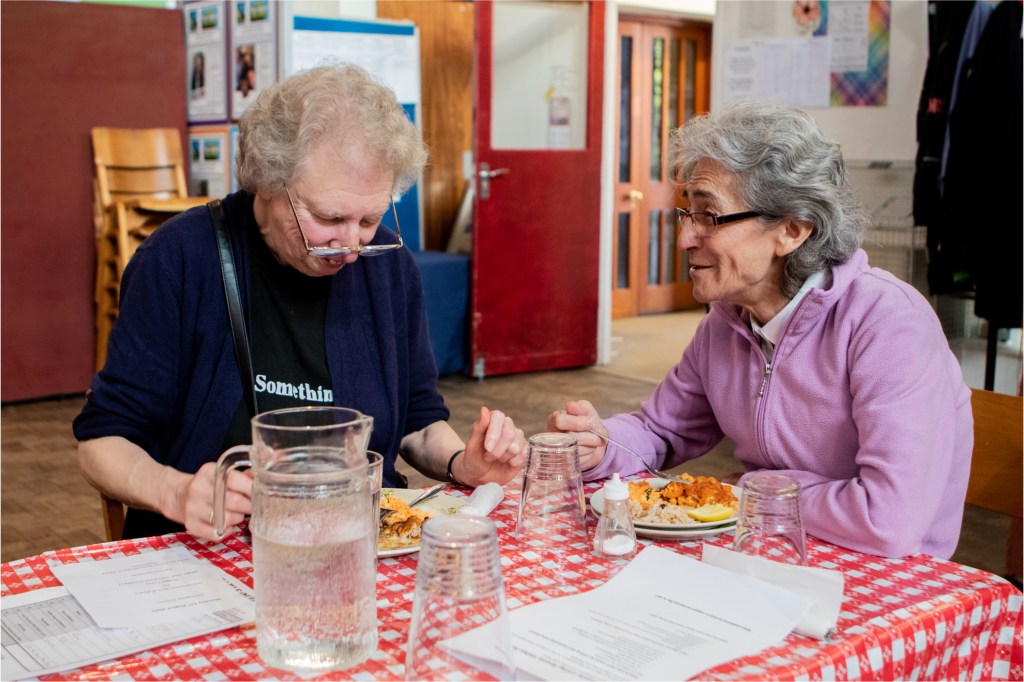
But the lessons from last winter’s was different to these concerns. In reality, through the creativity of local volunteers, Warm Spaces were so much more than just places to keep warm. Instead they were places of connection and belonging.
People may have come for the warmth, but they stayed for the welcome.
Reducing loneliness
Our impact evaluation found that Warm Welcome Spaces reduced chronic loneliness amongst guests from almost 40% to just 6%. As Liz Griffin beautifully put it:
“The people who turn up to warm welcome spaces are guests and ‘members’. They are not objects of pity but people — like everyone — who are inherently valuable and have worth. In an economic and political context which has left some people feeling like they are undeserving or worthless, this gesture is everything.”
This feature of Warm Spaces makes them much more transformational than many more complex forms of church-based service delivery. As has been argued on Grace + Truth, poverty involves not just a lack of resources but also a lack of relationships and a lack of positive identity.
As the stories of Warm Space guests and volunteers demonstrate, something as simple as a regular community meal can impact deeply on all of these elements.
Scale
And what makes Warm Spaces even more exciting is that alongside this depth of impact comes a potential for huge scale. Of course there is a cost to running a Warm Space, but the average cost of around £2,000 is within reach of the majority of church communities.
Last winter, Warm Spaces were open in the smallest rural churches to the largest urban ones. And were also opened in libraries, other faith groups, community centres, sports clubs, cafes and theatres. We can imagine a UK where a friendly Warm Space is accessible to every individual who might need it each winter.
Collaboration
There is also a generous and collaborative spirit behind Warm Spaces. One church in Bristol cooked hundreds of hot meals every week to enable other, smaller churches to easily run community meals across the city. And churches teamed up with other organisations and Local Authorities to create networks of support encompassing everything from debt advice to job coaching.
At the national level, many different Christian charities have got involved in Warm Welcome, making their resources and expertise freely available for churches and thereby enabling them to go deeper in serving families, the homeless, those in debt and many others.
‘Chain of hope’
We live in dark times, and for many people winter is a season of darkness in multiple ways. Do we simply curse this darkness, or can we do something constructive to bring some light?
As the former Prime Minister Gordon Brown put it, Warm Spaces represent a ‘chain of hope’ across the country, offering a glimpse of another way of being and supporting each other.
Churches are far more than buildings – they are communities of hope. We have an enormous opportunity to open our buildings as places of warmth and welcome. And in doing so, make a lasting difference to those who need both.
David Barclay works for the Good Faith Partnership and coordinates the Warm Welcome Campaign. If your church is offering a space that is warm, welcoming, safe and free to enter this winter, you can register for free on the Warm Welcome Campaign website.
Discover more from Grace + Truth
Subscribe to get the latest posts sent to your email.

 Grace + Truth